What is Ham Radio?
Ham radio, officially known as amateur radio, is a popular hobby and service that utilizes designated radio frequencies for personal communication, experimentation, and public service. It is distinguished from commercial radio in that it is not used for business purposes or monetary gain; rather, it is undertaken by licensed individuals who share an interest in radio technology and communication.
The origins of ham radio date back to the early 20th century when wireless telegraphy was emerging. Pioneers in the field started experimenting with radio waves, which eventually led to the establishment of amateur radio as a recognized form of communication. By obtaining licenses, enthusiasts are granted the right to transmit signals over various bands, enabling them to connect with fellow operators locally and around the globe.
One of the key aspects of ham radio is its capability for local and global communication. Operators can engage in simplex communications, where they transmit directly to other stations without intermediaries, or through repeaters, significantly extending their range. This versatility makes ham radio an effective tool in emergency communications, especially when traditional methods fail or during natural disasters. Many amateur radio operators assist with local and international disaster relief efforts, providing vital communication links.
Additionally, ham radio serves as a platform for experimentation with various technologies. This includes digital modes, satellite communications, and home-built equipment, allowing enthusiasts to engage in projects that enhance their technical knowledge and skills. The community promotes sharing knowledge and resources, thus reinforcing the social aspect of the hobby.
Licensing and Regulations
Operating a ham radio requires adherence to specific licensing and regulatory standards, which can vary by country and region. In many jurisdictions, amateur radio operators must obtain a license to legally transmit and communicate using radio frequencies. These licenses not only serve as a recognition of the operator’s proficiency but also help to ensure that all individuals operating within the amateur radio spectrum are knowledgeable and adhere to established guidelines.
In the United States, for example, there are three primary classes of amateur radio licenses: Technician, General, and Extra. Each class requires the completion of a multiple-choice examination that tests knowledge of radio theory, regulations, and operating practices. The Technician class, which is the entry-level license, allows users to operate on the VHF and UHF bands. The General class expands privileges into the HF bands, while the Extra class offers full privileges across all amateur bands.
The process of obtaining a ham radio license typically involves studying the relevant materials, which can be found through various amateur radio organizations and online resources. Many newcomers find it beneficial to participate in study groups or courses designed for exam preparation. After acquiring the necessary knowledge, candidates must register for an examination session, which is conducted by a volunteer examiner. Upon successfully passing the exam, an applicant is issued a unique call sign, allowing them to operate legally.
It is imperative that amateur radio operators remain informed about the regulations governing their activities. This includes understanding the legal requirements and frequency allocations set by national telecommunications authorities, as well as compliance with international agreements. By adhering to these licensing requirements, individuals contribute to the responsible and lawful use of the amateur radio spectrum.
Essential Equipment for Ham Radio Operators
For anyone looking to embark on their journey into the world of ham radio, having the right equipment is fundamental to ensuring an enjoyable and effective experience. The essential equipment for ham radio operators typically includes three main categories of radios: handheld, mobile, and base station radios. Each type has its own unique advantages and is suited for different purposes.
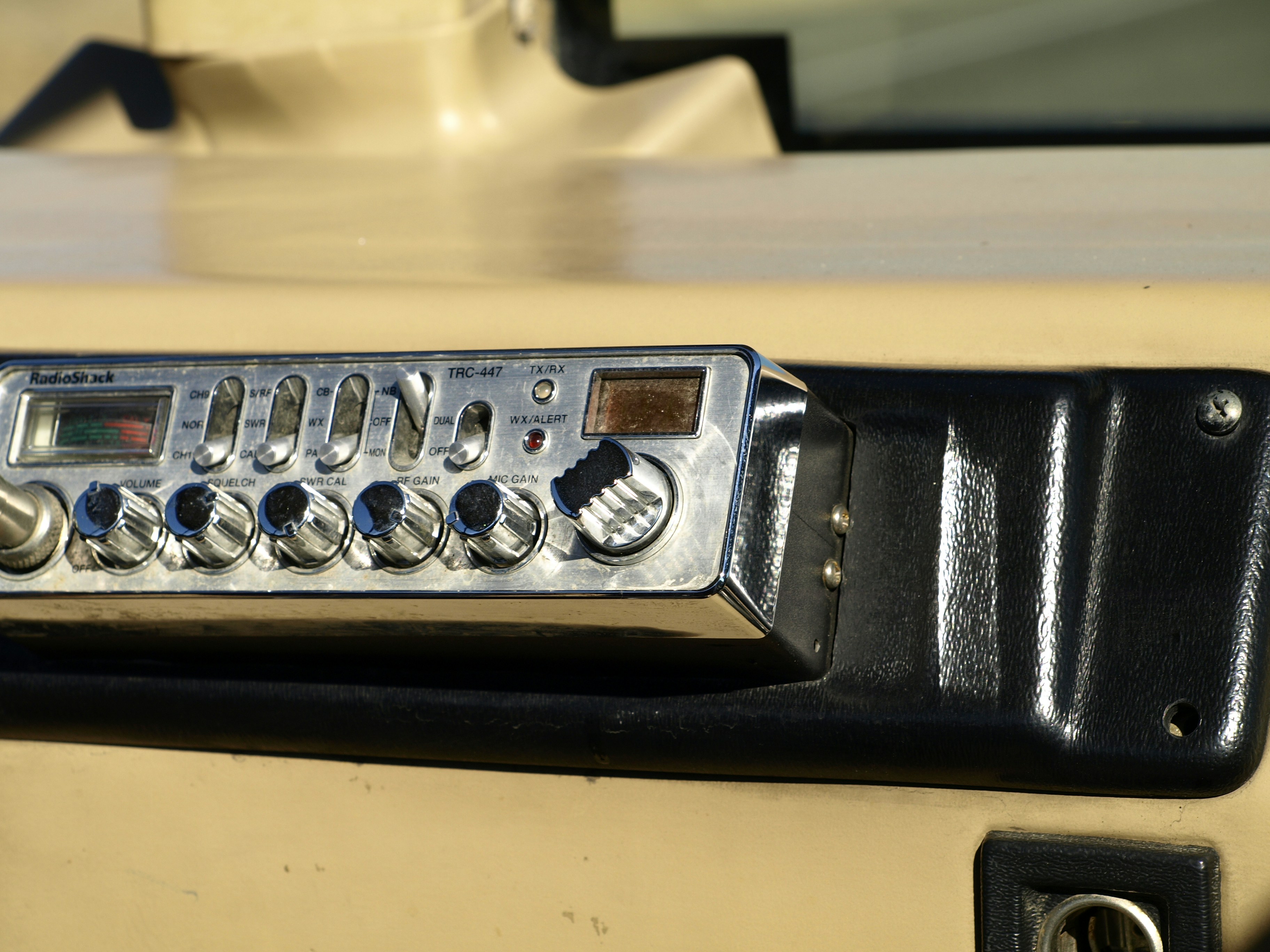
Handheld radios, often referred to as walkie-talkies, are compact and portable, making them an excellent choice for beginner operators who value mobility. They are especially useful for outdoor activities and emergency situations. Mobile radios, on the other hand, are designed for use in vehicles and provide greater power and range than handhelds. This makes them popular among operators who wish to communicate while on the move.
Base station radios are intended for stationary use and typically provide the best performance in terms of range and quality. They are often used by serious hobbyists and those who want to engage in extended communications. Regardless of the type of radio chosen, a crucial component of the setup is the antenna. Antennas come in various forms, from handheld antennas to more complex, high-gain structures, allowing the operator to transmit and receive signals effectively.
In addition to radios and antennas, adequate power supplies are vital, especially for base stations that require a stable and sufficient power source for optimal operation. Accessories such as microphones, headphones, and speakers can enhance the usability of the radios, making communication clearer. When selecting equipment, it is essential for new operators to consider their interests, such as whether they will be operating primarily while stationary or on the move, as well as their budget. A well-thought-out approach to choosing equipment can help ensure a fulfilling and successful ham radio experience.
Tips for Getting Started and Finding Community
Entering the world of ham radio can be both exciting and overwhelming for newcomers. The first step in your journey is to set up your initial station. Choose a location that is both convenient and quiet, as this will help in making clear contacts. Begin by selecting an appropriate transceiver that fits your budget and needs. There are many options available, including handheld radios for portable use and base stations for more extensive operations. Connecting your radio to a suitable antenna is crucial, as the antenna significantly influences your transmission range and reception quality.
Once your station is set up, familiarize yourself with the basic operating procedures. To make effective contacts, listen before transmitting, follow proper etiquette, and be concise. Pay attention to the bands and time slots that are generally active. This helps in finding other operators more easily and increases your chances of successful communication. Practicing these skills will enhance your confidence and proficiency, allowing you to engage with others in the ham radio community smoothly.
Connecting with fellow amateur radio enthusiasts is essential for growth. Local ham clubs are a great starting point; they often hold meetings, workshops, and field days where beginners can learn from experienced operators. Joining forums and online communities can also provide valuable resources and support. Be proactive in seeking opportunities to participate in events, as these experiences will deepen your understanding of the hobby and provide networking opportunities.
In summary, setting up your station, practicing essential communication techniques, and engaging with the ham radio community will significantly enhance your learning experience. Embracing these practices will not only help you become a more competent operator but also build lasting friendships within the amateur radio world.