
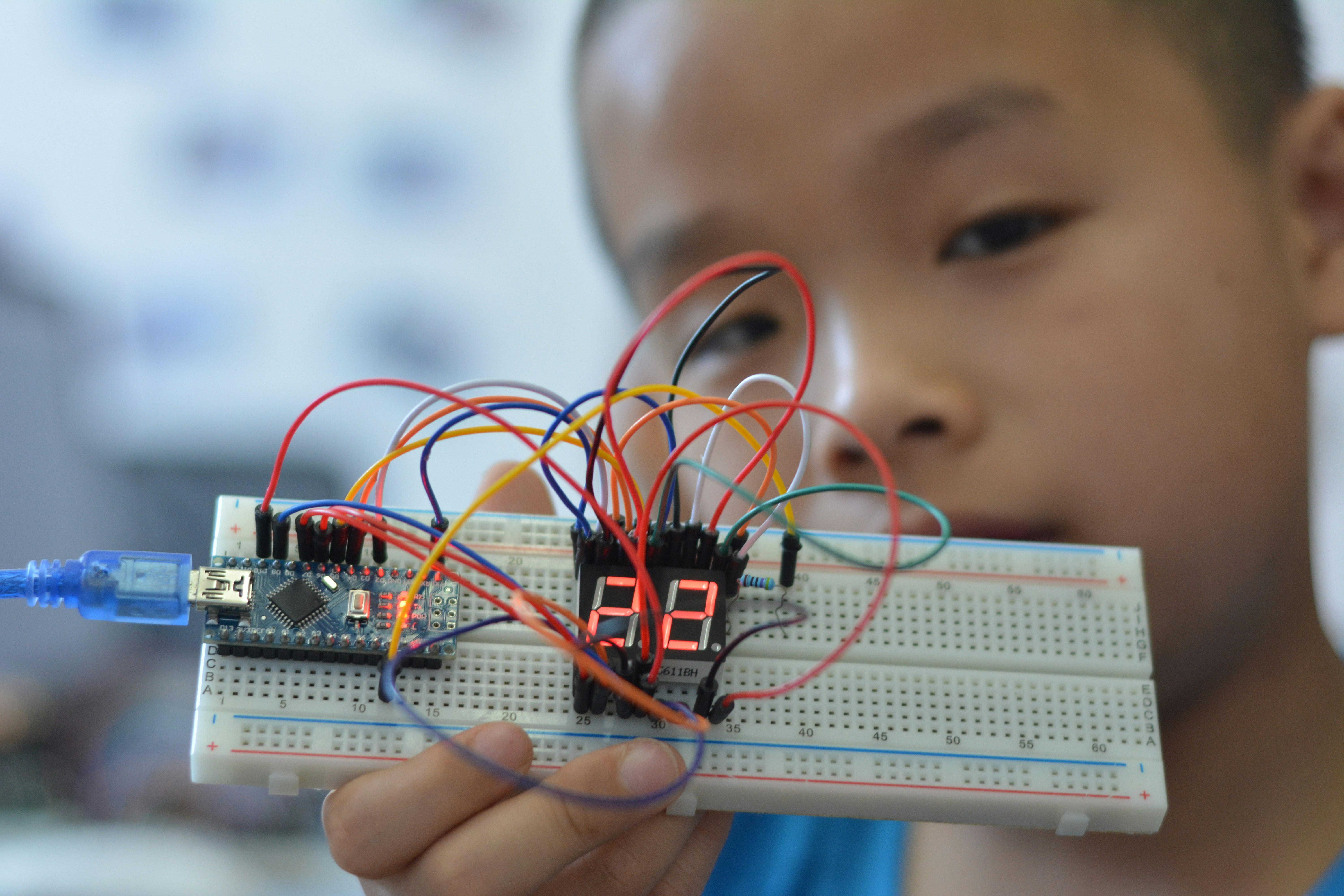
Introduction to Hobby Electronics
Hobby electronics is a field that engages individuals with a passion for technology, enabling them to create, innovate, and experiment with electronic components and systems. It encompasses various activities including, but not limited to, building circuits, programming microcontrollers, and designing unique gadgets. This domain appeals to tech enthusiasts, makers, and anyone interested in hands-on learning and applications of electrical engineering principles.
The significance of hobby electronics lies in its promotion of creativity and problem-solving skills. Participants often find joy in building their own devices, which could range from simple LED circuits to complex robotic systems. As technology continues to evolve, hobby electronics provides an accessible platform for individuals to understand the inner workings of electronic devices and develop valuable skills in programming and circuitry.
Furthermore, the rise of online communities and resources has greatly democratized access to knowledge in hobby electronics. Platforms such as forums, blogs, and video tutorials enable enthusiasts to share their projects, troubleshoot problems, and seek guidance from experienced members. This collaborative spirit fosters a sense of community and encourages learning among peers, making it easier for beginners to enter the field and cultivate their interests.
Overall, hobby electronics is not just about creating gadgets; it promotes a culture of innovation where tinkerers can challenge themselves, share their knowledge, and contribute to a broader community of like-minded individuals. As we explore further into the latest trends and innovations in this exciting field, it is evident that hobby electronics continues to flourish, attracting new enthusiasts and fostering creativity across various demographics.
Recent Innovations and Projects
The realm of hobby electronics is undergoing remarkable transformations, driven by a variety of recent innovations and projects that encapsulate creativity and technical mastery. Among the most notable advancements are improvements in components such as sensors, microcontrollers, and Internet of Things (IoT) technologies. These innovations are making hobbyist projects more accessible and sophisticated, leading to a surge in DIY creativity.
Microcontrollers like the popular Arduino and Raspberry Pi have remained the backbone of hobby electronics enthusiasts. They allow users to build diverse projects ranging from simple LED displays to complex home automation systems. Recent iterations of these platforms have introduced enhanced features, offering greater processing power, improved connectivity options, and better compatibility with various sensors and peripherals. This enables hobbyists to create intricate and functional designs that would have previously required a higher skill level.
The rise of advanced sensors plays a crucial role in the current hobby electronics landscape. Innovative sensors that detect temperature, humidity, motion, and light are widely available, enabling hobbyists to incorporate real-world data into their projects easily. For instance, combining a light sensor with an Arduino can produce automatic lighting systems that enhance energy efficiency in homes.
Additionally, online platforms and forums have become instrumental in disseminating knowledge and project tutorials. Communities on websites like Instructables, Hackster.io, and various social media groups frequently share project builds, encouraging beginners and seasoned enthusiasts alike to explore new ideas. Examples of trending projects include smart garden systems, automated pet feeders, and home security setups, all leveraging the capabilities of contemporary microcontrollers and sensors.
Through these innovations and the collaborative spirit fostered in online communities, hobby electronics continues to thrive, attracting a diverse audience eager to explore, innovate, and share their journey in the ever-evolving world of technology.
Resources for Hobbyists
For enthusiasts in the field of hobby electronics, the internet has become an invaluable repository of knowledge, fostering both learning and collaboration. Various websites cater to different skill levels, providing a wealth of information ranging from beginner tutorials to advanced project ideas. Notably, websites like Instructables and Adafruit serve as excellent starting points for those new to the hobby, offering step-by-step guides that simplify complex concepts. For more seasoned hobbyists, platforms like Hackaday and Electronics Weekly present a treasure trove of innovative projects and cutting-edge developments, allowing users to push their limits and explore advanced techniques.
Community forums also play a crucial role in the growth of hobby electronics. Websites such as the EEVblog Forum and All About Circuits offer spaces for hobbyists to troubleshoot and share their experiences. These interactive forums encourage dialogue and facilitate the exchange of ideas, ensuring that users can receive feedback and support in real time. For quick tips and solutions, Reddit has become a popular destination, especially subreddits like r/FPGA or r/Electronics, where users can find concise information and assistance.
In addition to these resources, YouTube stands out as a powerful medium for hobbyists. Channels like GreatScott!, EEVblog, and Mikey Chow feature engaging video content that demonstrates projects and safety practices, making it easier for visual learners to grasp technical concepts. Furthermore, open-source hardware has revolutionized the field of hobby electronics. Platforms like Arduino and Raspberry Pi not only provide affordable hardware solutions but also encourage the sharing of open-source software, fostering an expansive community of creators. Such resources serve to enhance knowledge, empower creativity, and advance innovation among hobby electronics enthusiasts, ensuring the community continues to thrive and evolve.
Future Directions in Hobby Electronics
The realm of hobby electronics is undergoing significant transformations, driven by technological advancements and the evolving interests of hobbyists. One key trend is the integration of artificial intelligence (AI) into DIY projects. As AI becomes more accessible, hobbyists are increasingly incorporating smart capabilities into their creations, such as voice recognition or adaptive learning functions. This not only enhances the complexity and functionality of projects but also allows for a more interactive experience, expanding the appeal of hobby electronics to a broader audience.
Another important development is the rising focus on sustainability within the electronics sector. As more individuals become aware of environmental concerns, the push for eco-friendly materials and energy-efficient designs is gaining momentum. Hobbyists are now more inclined to utilize recycled components or design products that minimize waste. This shift toward sustainable practices reflects a growing consciousness among makers, prompting them to consider the environmental impact of their projects.
Furthermore, the availability of modular components continues to rise, providing hobbyists with the flexibility to experiment with various configurations. Modular systems allow for easy upgrades and repairs, fostering creativity and innovation in project design. As the library of modular options expands, enthusiasts can more readily customize their projects, tailoring them to specific needs or preferences.
In addition to technological advancements, the landscape of maker fairs and educational workshops is evolving. These gatherings increasingly feature hands-on learning opportunities that encourage collaboration and knowledge sharing among hobbyists. The rise of online platforms has further amplified this trend, allowing hobbyists to access resources and tutorials that cater to diverse interests, fostering a supportive community of makers.
Thus, the future of hobby electronics appears to be bright, characterized by the integration of advanced technologies, a commitment to sustainability, and a nurturing environment for creative growth. As these trends continue to develop, hobbyists can look forward to new possibilities that will further inspire their passion for electronics.