Introduction to Ham Radio
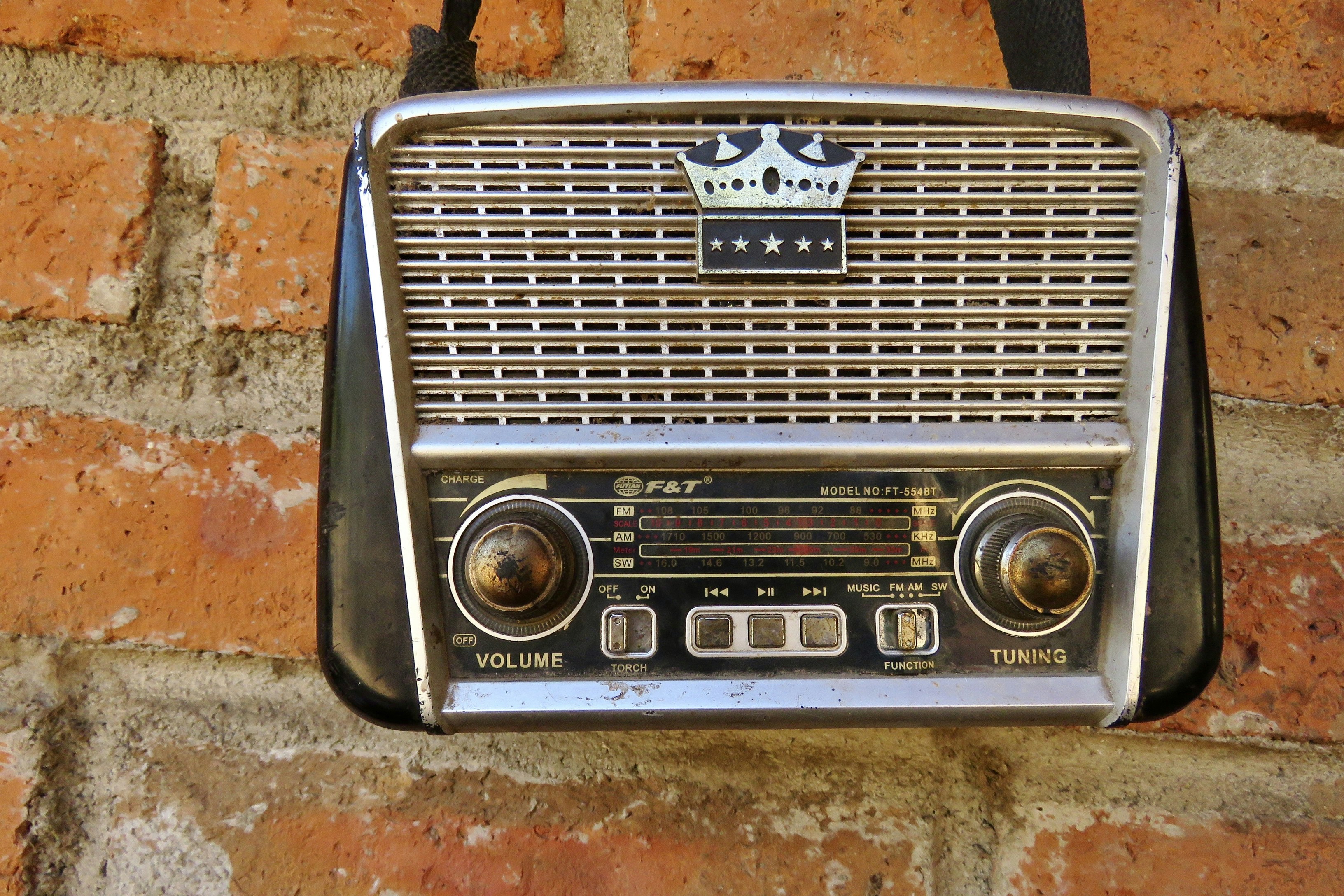
Ham radio, also known as amateur radio, is a popular and fascinating hobby that involves the use of radio frequency spectrum for non-commercial purposes. Enthusiasts engage in two-way radio communications, experiment with electronics, participate in public service activities, and establish unique connections across the globe. This form of communication traces its roots back to the early 20th century, evolving alongside technological advancements and significant historical events.
The origins of ham radio can be found in the early amateur wireless experiments of pioneers such as Guglielmo Marconi and Nikola Tesla. Since its inception, ham radio has played crucial roles during emergencies and disasters, providing essential communication links when traditional systems fail. This has established it as a vital component of emergency response strategies in many countries.
In contemporary society, the significance of ham radio continues to grow, particularly given the rapid evolution of technology and increasing reliance on internet-based communications. Ham radio operators, or “hams,” are often considered a vital link in times of crisis, as they possess the skills and equipment necessary to maintain communication under challenging conditions. Moreover, this community is committed to public service and mentoring newcomers, ensuring the knowledge of radio communications is passed down through generations.
For many enthusiasts and professionals, staying updated with the latest developments and news in the field of ham radio is crucial. Changes in regulations, advancements in radio equipment, and emerging communication technologies can impact ham radio practices significantly. As such, being informed about these updates not only enhances one’s skills but also deepens the appreciation for this unique hobby that fosters connectivity and knowledge sharing across borders.
Current Trends and Innovations in Ham Radio
The world of ham radio is undergoing significant transformations, driven by rapid advancements in technology and a growing interest in digital modes of communication. One of the most notable trends is the increasing adoption of digital modes, which allow amateur radio operators to communicate via various digital protocols. Modes such as FT8 and PSK31 have gained immense popularity because they enable reliable communication even under challenging conditions, thereby enhancing the overall efficacy of ham radio operations.
Another noteworthy innovation in this field is the integration of satellite communications. Ham radio operators are now leveraging satellite technology to establish long-distance contacts that were once unattainable. With the proliferation of accessible and affordable satellite platforms, operators can connect globally without reliance on terrestrial infrastructure. This aspect not only broadens the scope of ham radio activities but also fosters international collaboration among enthusiasts, enhancing the community spirit.
Moreover, software-defined radios (SDRs) have revolutionized ham radio operations. SDR technology enables operators to process a wide range of frequencies using software instead of traditional hardware components. This flexibility allows for easier updates, modifications, and expansions of capabilities, catering to the diverse needs of amateur radio enthusiasts. Through SDRs, operators can explore various frequencies and modes, paving the way for innovative applications that extend beyond conventional communication, such as experimentation and digital signal processing.
As these trends continue to evolve, the ham radio community is witnessing a resurgence of interest, attracting younger generations eager to explore the capabilities of modern technology. Ultimately, these advancements are not just transforming the technology used in ham radio, but also enhancing how operators connect, learn, and share knowledge within the community.
Notable Events and Announcements in the Ham Radio Community
The ham radio community is continuously evolving, with notable events and announcements that shape its landscape. Recently, the American Radio Relay League (ARRL) announced a series of licensing exams available for new operators. These exams not only aim to broaden the scope of amateur radio participation but also adapt to the growing interest in the hobby. The recognition of new licenses being granted highlights the dynamic nature of the ham radio sector, attracting individuals eager to explore this rewarding communication medium.
Additionally, new regulations proposed by the Federal Communications Commission (FCC) have stirred discussions among active members of the community. The proposed changes focus on streamlining the application process for new licenses and updating the rules around emergency communications, emphasizing the importance of ham radio operators during crises. This demonstrates how regulatory frameworks can impact participation and operational standards within amateur radio.
Upcoming conventions and gatherings are also pivotal in fostering connections within the ham radio community. Events such as the Dayton Hamvention and the International Amateur Radio Union (IARU) World Radiocommunication Conference are scheduled for the upcoming months. These gatherings provide an invaluable opportunity for enthusiasts to share knowledge, showcase innovations, and network with fellow ham radio operators, reinforcing the community’s collaborative spirit.
Ultimately, the combination of new licenses granted, evolving regulations, and significant conventions underscores the vibrant and active nature of the ham radio community. By staying informed on these developments, both new and seasoned operators can remain engaged in the ever-expanding world of amateur radio.
Resources for Ham Radio Enthusiasts
For ham radio enthusiasts, a variety of resources are essential for exchanging information, gaining support, and staying updated on the latest trends and developments in the field. Numerous websites serve as valuable databases, providing articles and guides that cater to both novice and experienced operators. One such platform is QRZ.com, which hosts a comprehensive directory for callsigns along with user-generated content including forums where enthusiasts can interact and seek advice.
Online forums such as eHam.net and Groups.io create spaces for operators to discuss topics ranging from technical challenges to setup configurations and equipment recommendations. These forums are invaluable not only for troubleshooting but also for networking with like-minded individuals. Social media platforms like Facebook and Reddit also feature dedicated groups where members can share their experiences and insights into ham radio—from licensing tips to antenna designs.
For those looking to enhance their knowledge through literature, several books and magazines cater to both amateur and seasoned operators. Publications like QST and RadCom provide articles on the latest innovations and practical advice that can be beneficial for all skill levels. Novices might benefit from The ARRL Ham Radio License Manual, while seasoned operators may find titles focused on advanced topics such as digital modes or emergency communications useful.
Online courses, offered through platforms like Ham Radio University, provide structured learning environments for those who prefer guided education. These courses vary from basic licensing to intricate operational procedures, making them a worthy investment for anyone serious about advancing in the amateur radio arena.